
A Guide on the Most In-Demand Lawn Care Services
A healthy lawn does more than make a property look inviting. It gives families a comfortable place to spend time outdoors, frames the home, and can make routine upkeep feel more manageable. Knowing which maintenance tasks matter most can make upkeep more manageable.
Mowing and Trimming
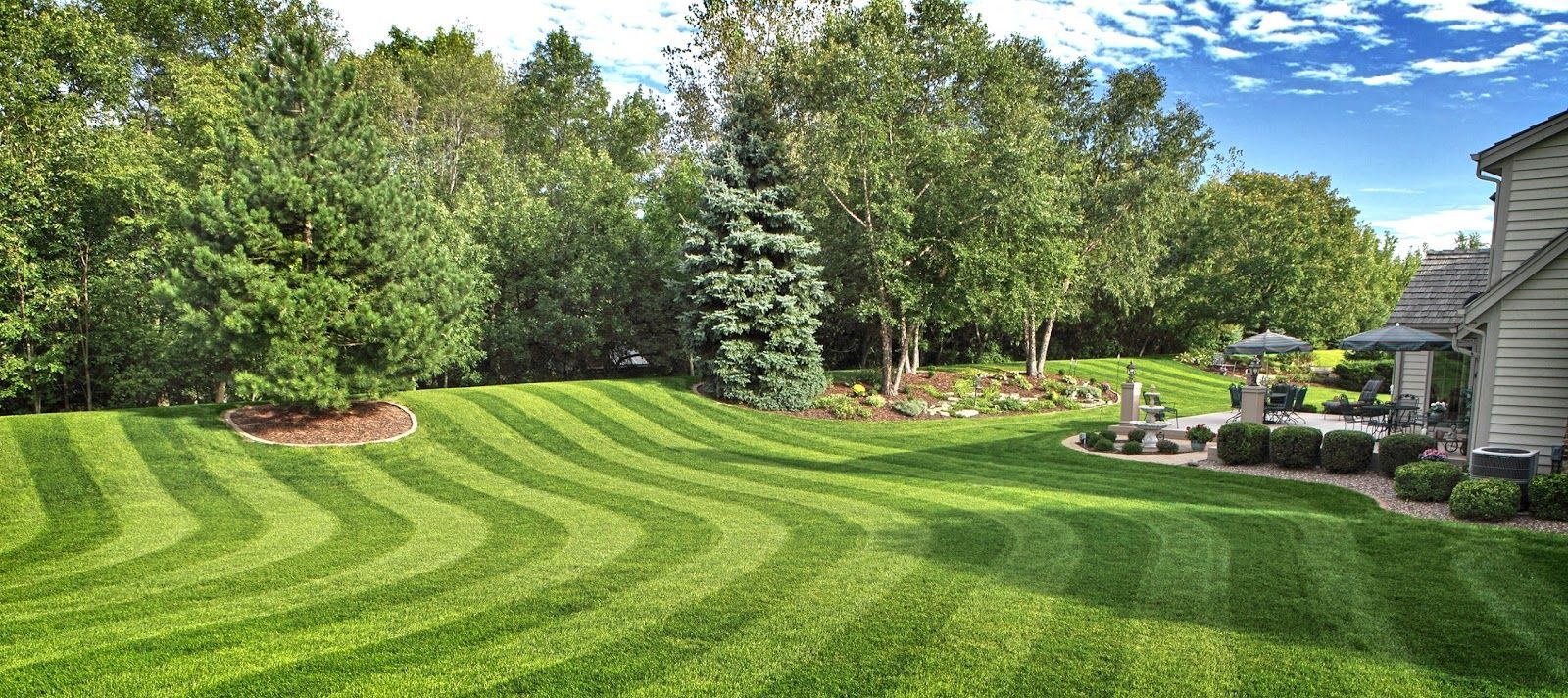
Mowing is one of the most recognizable lawn care services, but a good cut involves more than running a mower across the grass. Keeping turf at an appropriate height encourages steady growth, supports a denser lawn, and helps grass compete with weeds; cutting too short, by contrast, can expose soil and stress the plants. Trimming along walkways, fences, beds, and other edges gives the property a clean finish while preventing grass from spreading into places where it does not belong. Schedule should reflect the grass variety, weather, and growth rate rather than follow the same calendar every week. Homeowners can also ask providers how they handle clippings, edging, and uneven growth. Sharp blades make clean cuts that grass can recover from more easily. For homeowners who want a neat yard without spending weekends behind equipment, mowing and trimming are practical lawn care services.
Fertilizing and Improving Soil
Grass needs nutrients, but applying fertilizer without understanding the soil can waste money or create avoidable problems. A soil test can reveal pH and nutrient levels, helping determine whether the lawn needs lime, fertilizer, or another amendment before products are spread. Fertilization plans should account for grass type, season, existing soil conditions, and the amount of growth a property can reasonably support. Too much fertilizer may encourage excessive growth, increase mowing demands, or contribute to runoff, so measured applications are preferable to guesswork. Organic and synthetic products each have uses, and the right choice depends on the lawn’s needs, timing, and homeowner priorities. Soil amendments and organic matter can support stronger roots and moisture retention. When a lawn looks pale or grows unevenly, a thoughtful nutrient plan may address the cause instead of masking symptoms, making fertilization one of the useful lawn care services. A clear plan also helps prevent unnecessary applications and keeps expectations realistic.
Controlling Weeds and Growth
Weeds compete with turf for sunlight, water, space, and nutrients, making weed management a priority for property owners and a common lawn care services request. The most effective approach often starts with prevention: mow at a suitable height, water appropriately, and encourage thick grass that leaves fewer openings for unwanted plants. Identifying the weed matters because annual grasses, broadleaf weeds, and perennial invaders may respond to different treatments and timing. Hand-pulling or spot treatment can work for limited patches, while larger problems may call for a carefully planned control program. Any herbicide should be selected and applied according to its label, local requirements, and precautions for people, pets, and surrounding plants. The goal is a healthier lawn, not simply a yard free of every wild plant. Professionals can distinguish weeds from desirable turf and avoid unnecessary treatment. Early monitoring makes small patches easier to address.
Aerating and Overseeding
Compacted soil can limit the movement of air, water, and nutrients to grass roots, especially in yards that receive regular foot traffic. Core aeration removes small plugs of soil, opening channels that help the lawn breathe and allowing resources to reach the root zone more effectively. Overseeding adds grass seed to an existing lawn, helping fill thin spots and improve turf density without starting from scratch. These tasks complement each other: aeration creates openings, while seed can settle into better contact with soil. Timing depends on grass type and local climate, with cool-season lawns generally seeded in late summer or early fall and warm-season lawns seeded during warmer growing conditions. Choose seed for sunlight, traffic, and region, then keep it moist while seedlings establish. If bare patches keep returning, aeration and overseeding may improve the lawn’s foundation rather than offering only a temporary cosmetic fix and a valuable lawn care services option. This work is especially helpful when soil compaction or thinning has become noticeable.
Managing Water and Irrigation
Watering seems simple until a lawn develops dry patches, runoff, or soggy areas. Effective irrigation delivers enough moisture to encourage deeper roots without keeping the soil constantly saturated, and the best schedule changes with rainfall, temperature, soil type, and grass variety. Many lawns benefit from deeper, less frequent watering rather than brief daily sprinkling, although local restrictions and conditions should always guide the routine. Early morning watering can reduce evaporation and give grass time to dry before evening, which may help limit certain disease pressures. Irrigation inspections are also worthwhile because clogged nozzles, leaks, and misaligned sprinkler heads can waste water while leaving sections of turf thirsty. Smart controllers and rain sensors may help adjust watering when weather changes, but they still need sensible settings and occasional checks. Good water management protects the lawn while keeping utility use predictable, which is why irrigation is among practical lawn care services. Adjusting the system as conditions change can prevent both waste and avoidable stress.
Protecting Against Pests and Disease
Brown patches, thinning grass, or unusual discoloration can be frustrating, especially when the cause is not immediately obvious. Insects such as grubs or chinch bugs may damage turf, while fungal diseases can develop when moisture, temperature, and lawn conditions favor them. Identifying the problem before applying a treatment is important because symptoms can look alike even when the underlying causes differ. A professional assessment may include checking roots, inspecting blades, reviewing watering habits, and considering recent weather or maintenance practices. Prevention often comes down to fundamentals: appropriate mowing, balanced nutrition, good drainage, and watering that avoids prolonged leaf wetness. Treatments should target confirmed issues and follow product directions, with attention to beneficial insects and environmental safety. Regular observation makes it easier to respond while damage is small and to adjust maintenance habits that may be contributing to recurring problems. This can reduce repeat treatments and protect the lawn’s long-term condition.
Maintaining Seasonal Lawn Health
A lawn’s needs shift throughout the year, so seasonal planning helps keep maintenance purposeful instead of reactive. Spring may involve cleanup, soil testing, weed prevention, and equipment checks, while summer often calls for careful mowing and water management during heat or drought. Fall can be an important window for aeration, overseeding, and nutrient applications on lawns suited to those practices, while winter may require reduced traffic and preparation for colder weather. Follow local climate and grass type; timing varies by region. Homeowners can also compare service plans before committing: according to HomeGuide’s estimates, weekly mowing for a quarter-acre yard may run about $30 to $65, while full-service maintenance can cost roughly $65 to $100 per week, depending on the work required. These are estimates; property size, condition, and frequency affect pricing. Planning ahead makes it easier to budget and choose lawn care services that fit the yard. Ask for a written scope so you know which tasks are included and how often they will be completed.
A healthy lawn requires consistent attention, not one treatment or weekend project. Mowing, soil care, weed control, aeration, irrigation, pest management, and seasonal upkeep all matter, and the right combination depends on the property. Address the most noticeable problems first, then build a realistic, efficient routine. Professional lawn care services can simplify that routine when time, equipment, or experience is limited. For a plan tailored to your yard, contact Pro-Mow Lawn Care & Landscaping, LLC.























Share On: