Ways Industrial Landscape Contractors Protect Property Value and Safety
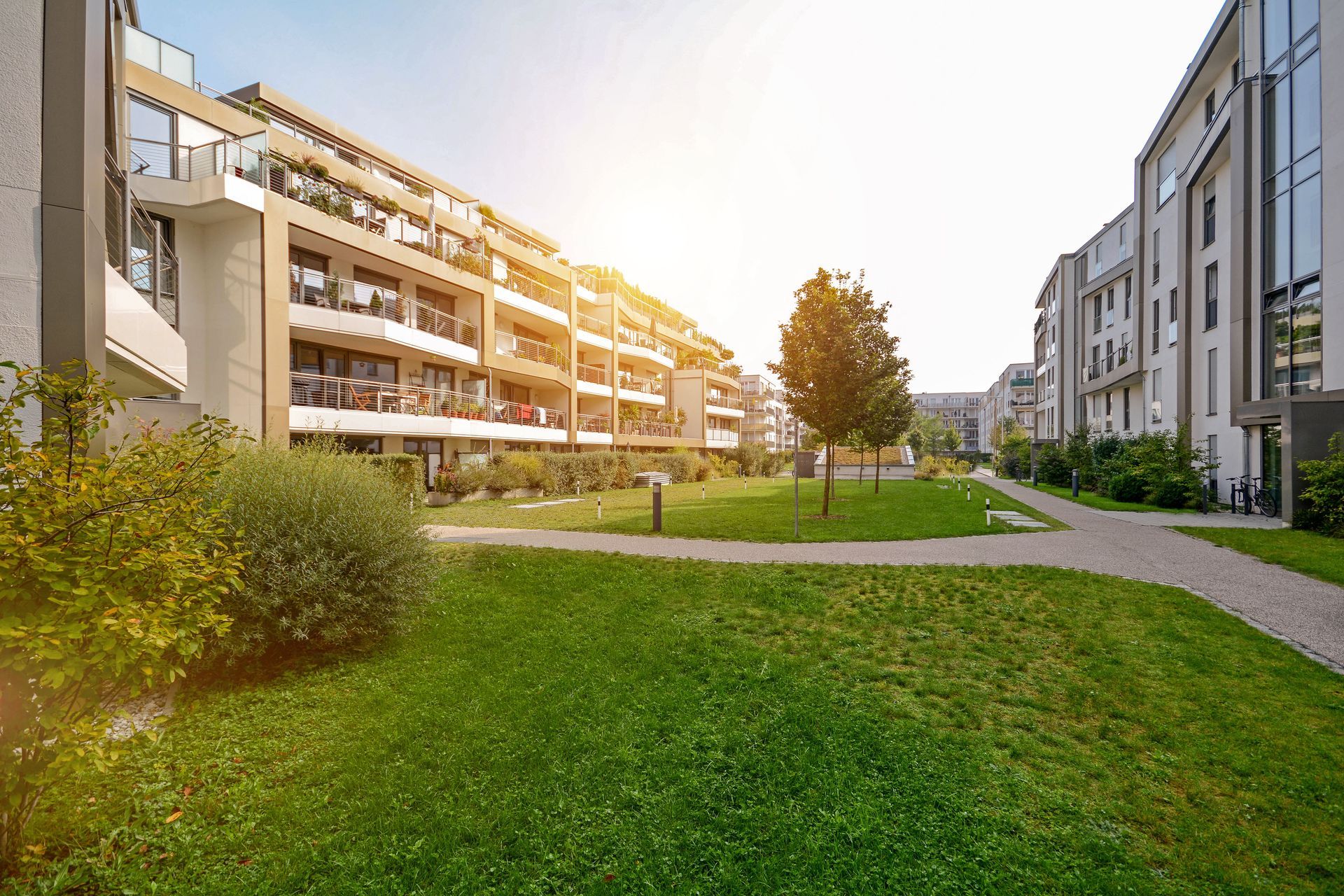
Industrial landscape contractors play a crucial role in enhancing the value and safety of industrial properties. Professional landscaping in these settings not only amplifies aesthetic appeal but also upholds vital safety measures. Many industrial areas require a meticulously planned landscape to navigate environmental challenges, streamline ongoing maintenance, and prevent potential hazards. By leveraging specialized techniques and strategic planning, landscape contractors ensure commercial properties are not only visually appealing but also functionally robust and resilient. A well-maintained exterior creates a positive first impression for clients, partners, and visitors while fostering a safe and productive environment for employees. Investing in professional management not only safeguards physical infrastructure but also boosts long-term asset value across all operational seasons. This article explores several primary methods utilized by industrial landscape contractors to protect and enhance overall property value and safety.
Strategize Landscape Design
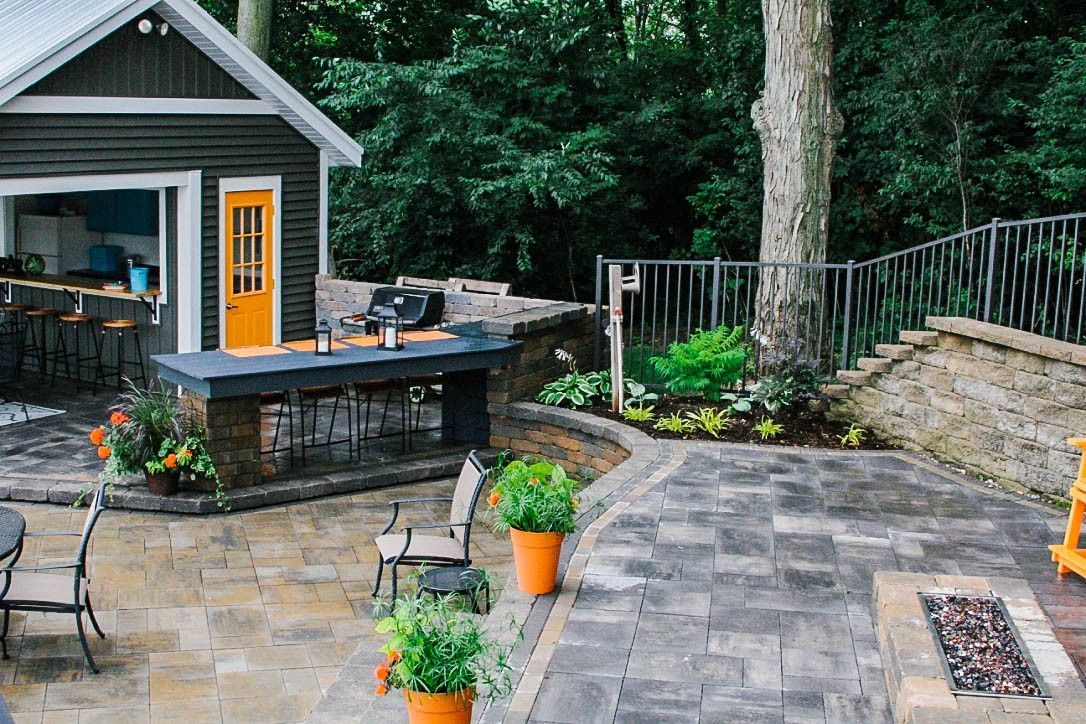
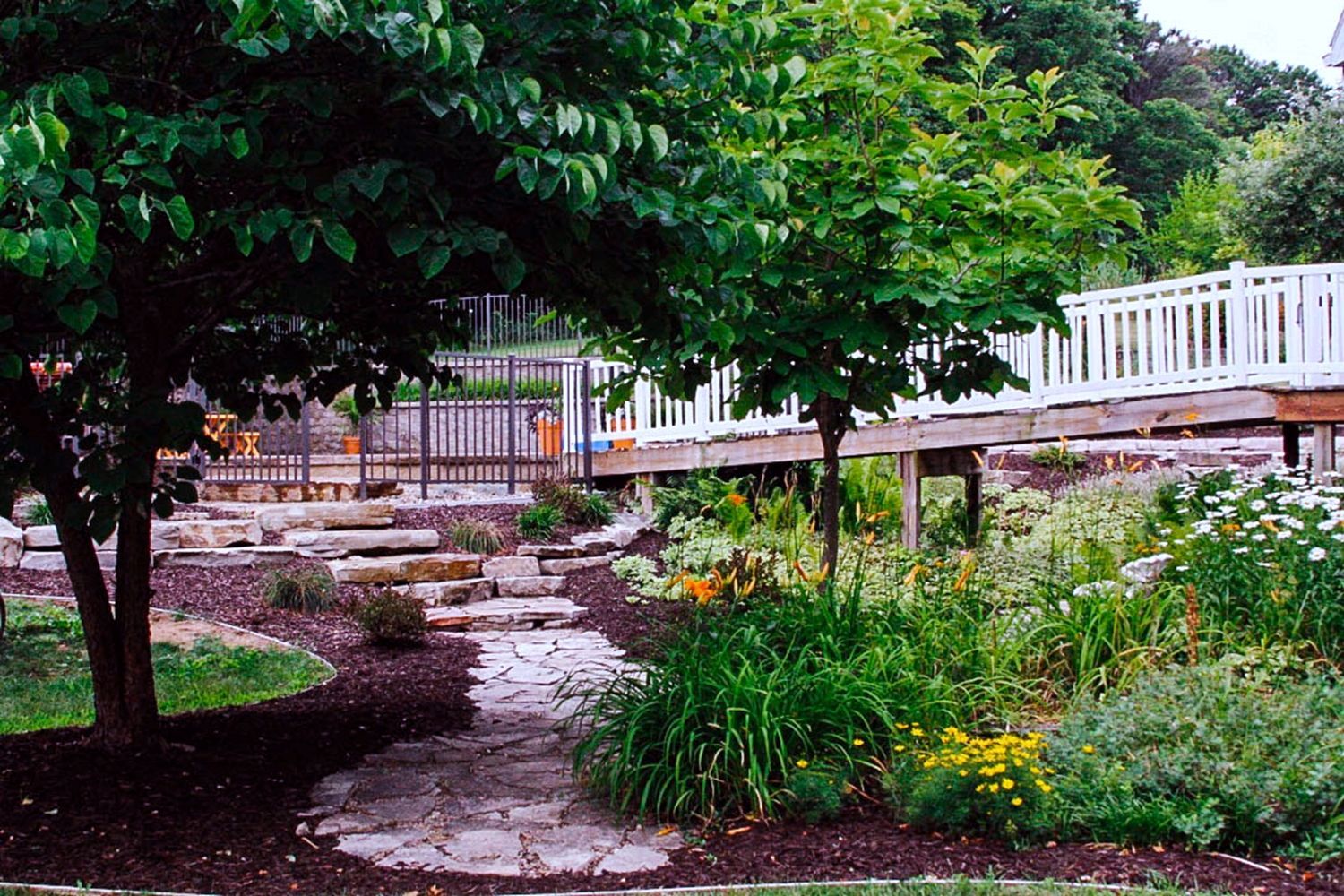
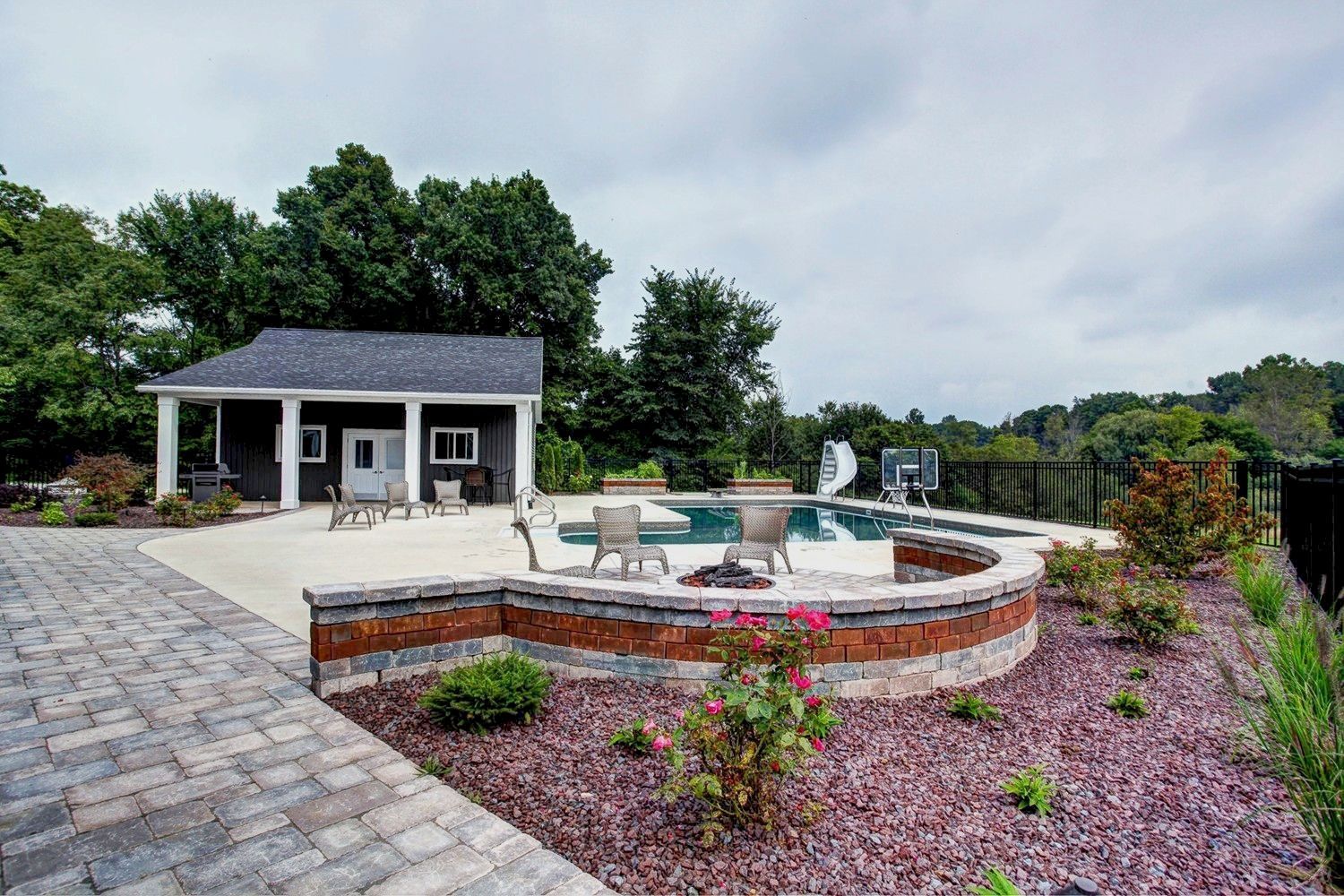
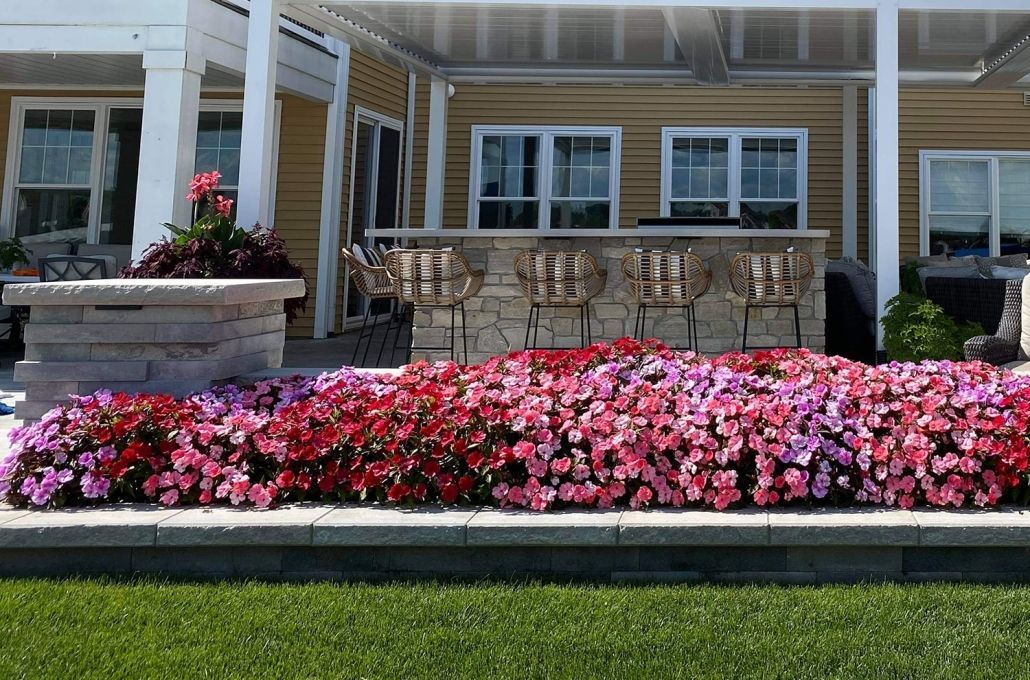
Prudent site assessment and planning are foundational to long-term commercial success. Industrial landscape contractors conduct thorough evaluations to understand the unique operational needs of each site, carefully considering environmental factors like terrain, climate, local ecosystems, and existing vegetation. The thoughtful selection of appropriate plant species is pivotal in creating an attractive and sustainable outdoor environment. Choosing native and drought-resistant plants not only ensures landscape sustainability but also minimizes resource consumption and lowers long-term operational costs. By utilizing these resilient plants, landscape contractors create harmonious outdoor environments that require less synthetic intervention, reducing reliance on chemical fertilizers and pesticides. Aesthetic enhancement is equally important, as thoughtful design highlights architectural features, establishes clear visual boundaries, and provides engaging focal points that draw positive attention. Incorporating functional spaces, such as designated pedestrian walkways, designated zones for heavy machinery, and comfortable outdoor break areas for staff, ensures the property operates efficiently while looking visually appealing. Environmental considerations remain integral throughout the design process, allowing landscape contractors to implement sustainable practices like water reuse, soil preservation, and carbon footprint reduction that benefit both the business and the surrounding community. Furthermore, dedicated landscape contractors continuously refine site plans to adapt to changing weather patterns and future expansion requirements.
Maintain Grounds Regularly
Regular upkeep is essential to preserving the structural integrity, professional appearance, and long-term value of industrial properties. Scheduled lawn care, including regular mowing, edging, and precise trimming, ensures grass remains at optimal health and prevents unsightly overgrowth. Overgrown vegetation can harbor unwanted pests, block critical sightlines, and create hazardous conditions for workers and visitors. Seasonal planting and mulching further support plant health by helping soil retain essential moisture, suppressing invasive weed growth, and regulating soil temperature throughout changing weather conditions. Consistent attention to grounds management ensures that turf remains vibrant while reducing the risk of invasive species taking root. Effective weed and pest control solutions are vital components of comprehensive grounds management. Experienced landscape contractors employ integrated management strategies that target problems early while protecting surrounding ecosystems and minimizing reliance on harsh synthetic chemicals. Sustainable waste management practices, such as composting organic debris and repurposing green waste, minimize waste production while promoting environmentally friendly operations. Routine inspections allow landscape contractors to identify potential structural or environmental issues before they escalate into costly repairs, ensuring long-lasting landscape health and maintaining a polished, professional brand image day in and day out.
Control Erosion and Land
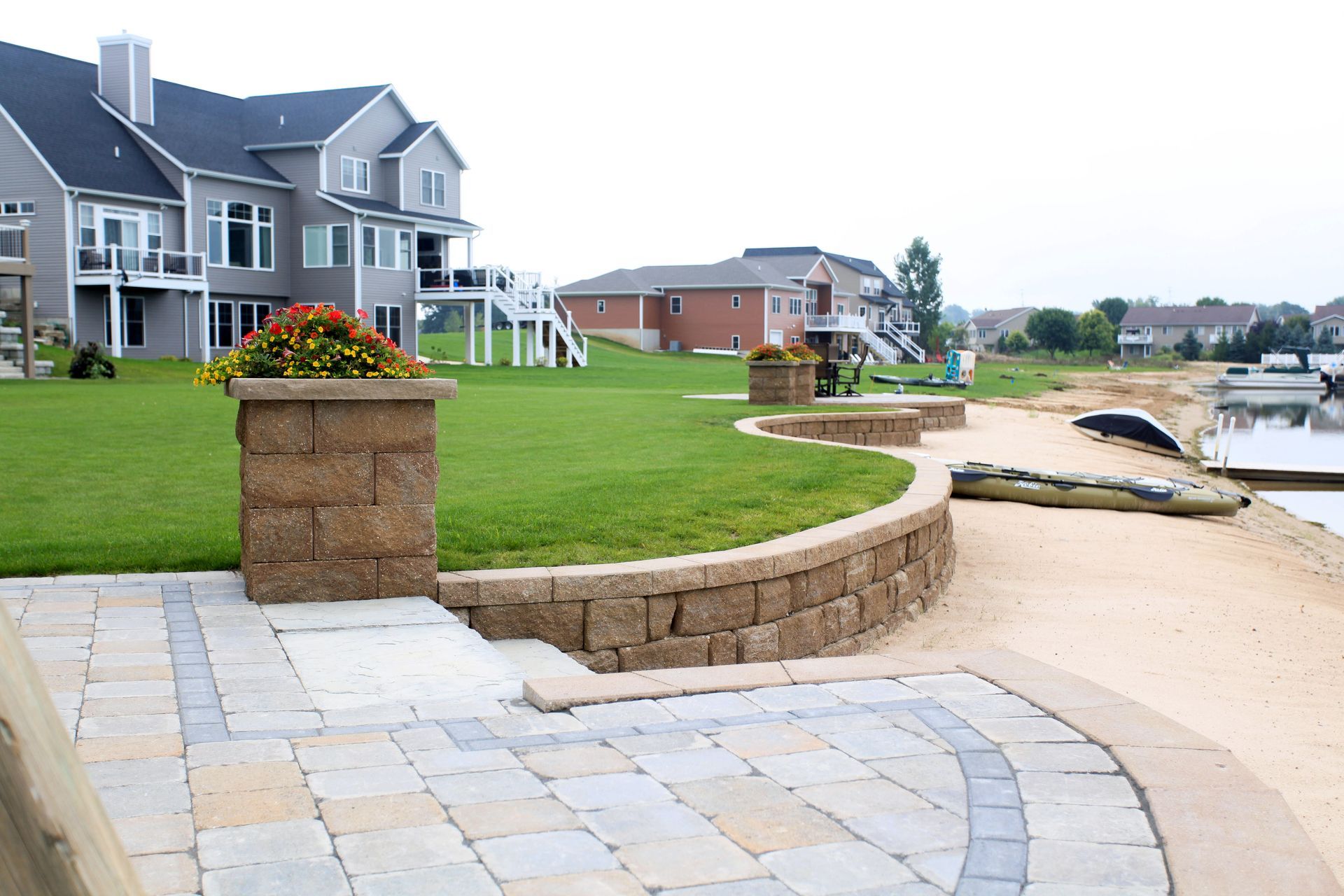
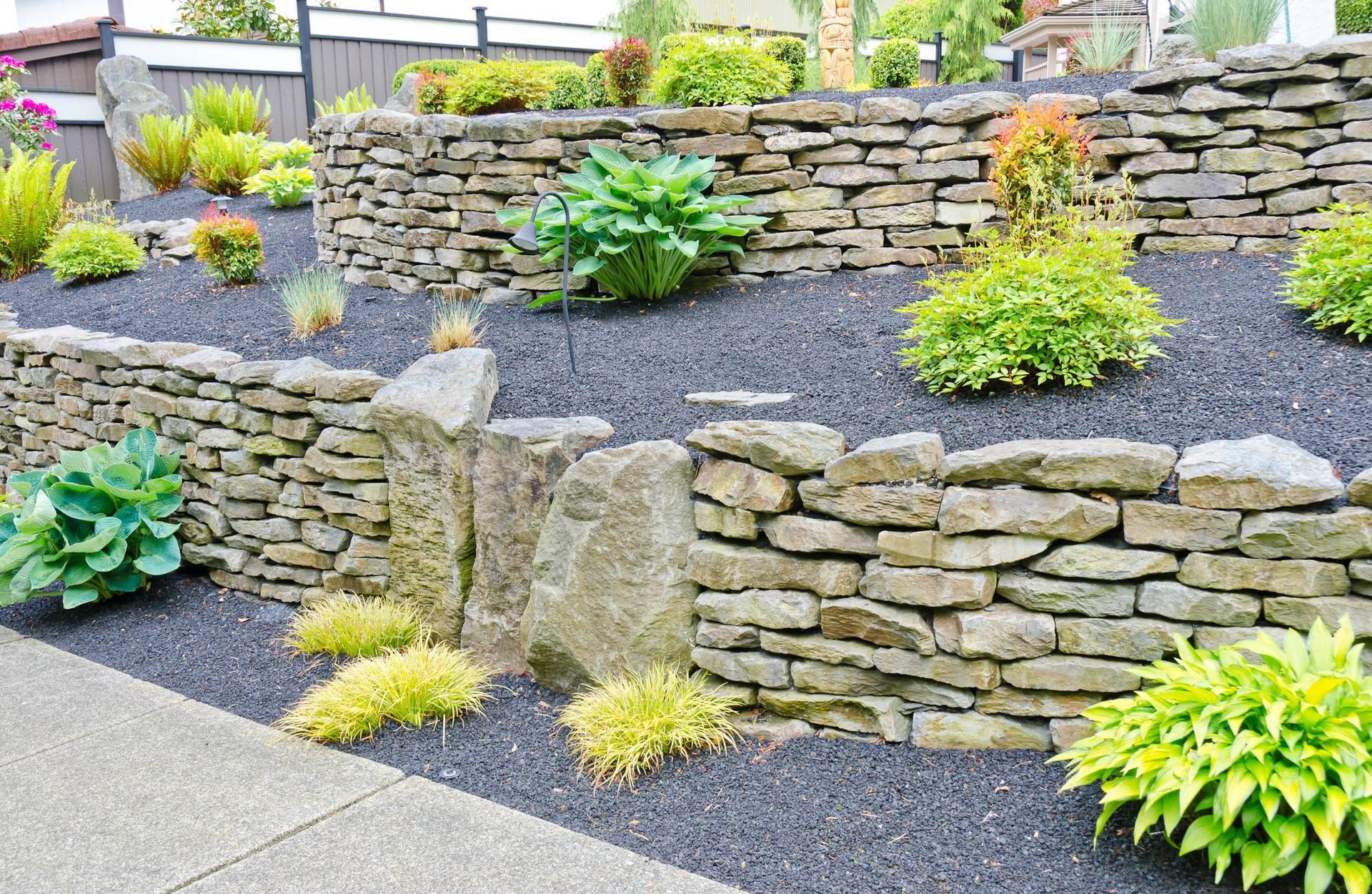
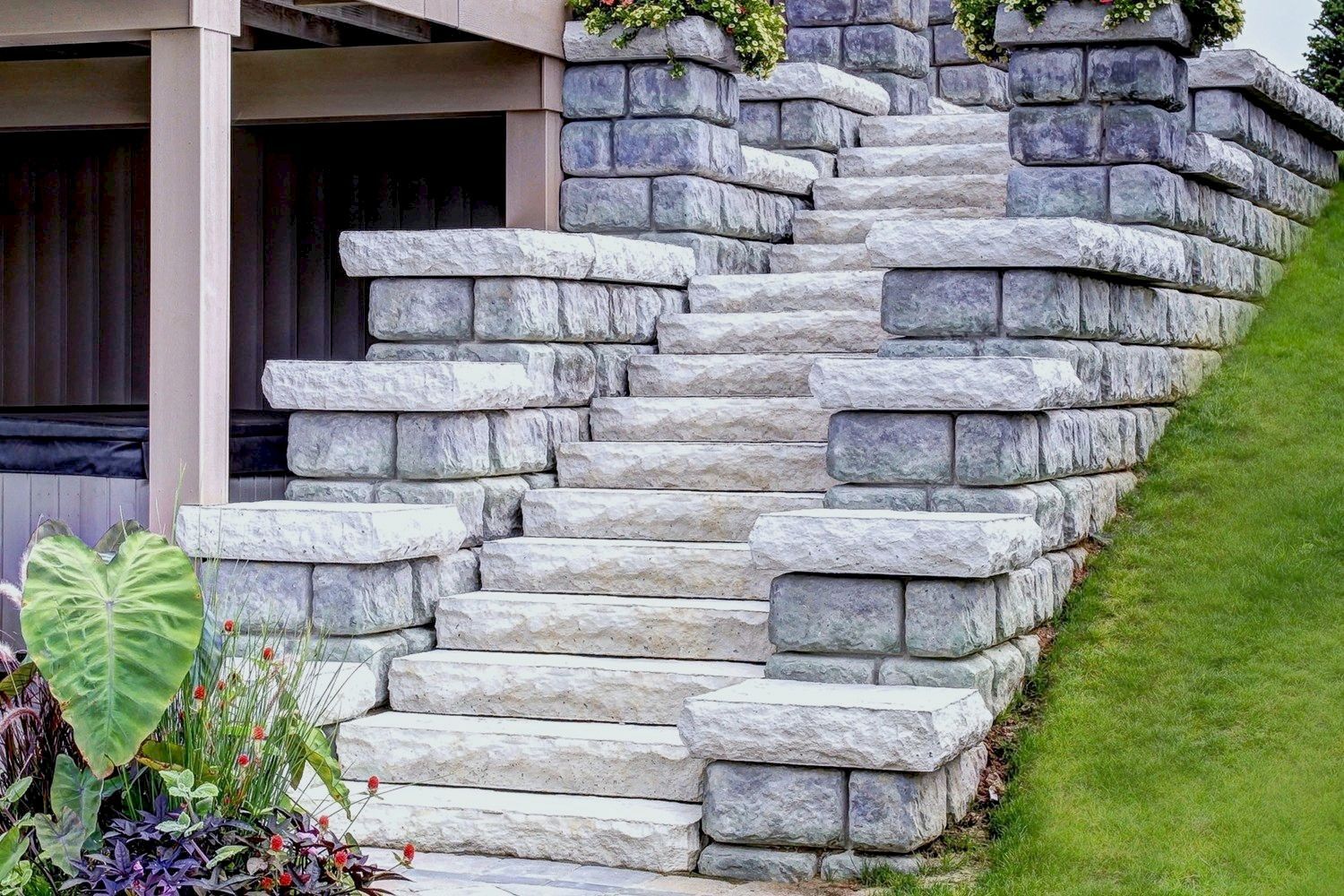
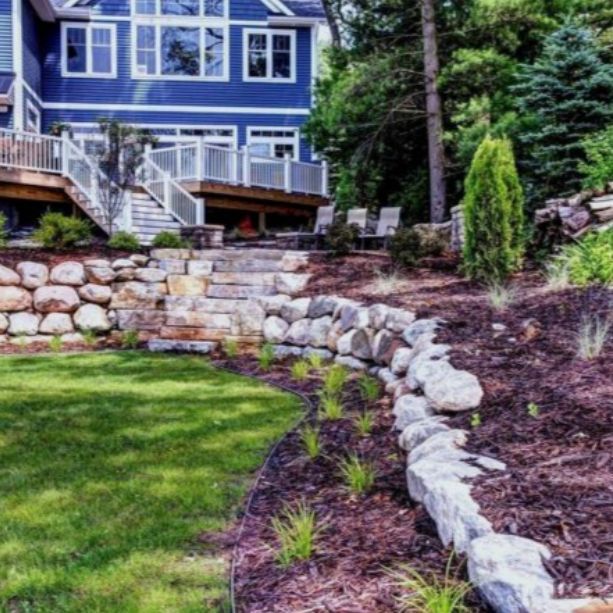
Identifying areas susceptible to severe erosion through detailed site analyses is a critical aspect of effective land management for commercial facilities. Topography, soil composition, wind patterns, and heavy water runoff all contribute to erosion risks that can compromise facility foundations. Once vulnerable areas are pinpointed, proactive measures are implemented to mitigate soil loss and prevent costly structural damage. The installation of engineered terraces, erosion control blankets, and deep-rooting stabilizing vegetation effectively reduces the impact of heavy precipitation and wind displacement. Retaining walls provide essential structural support and prevent soil movement on steep or uneven terrain, transforming challenging slopes into usable, stable ground. Soil stabilization techniques bolster ground resistance and support long-term plant growth. Proper terrain management protects surrounding drainage pathways, keeping heavy soil displacement from compromising nearby structural foundations. Continuous monitoring and timely maintenance ensure these controls remain effective over time, safeguarding both the natural terrain and nearby infrastructure against unpredictable weather events. By staying proactive, commercial property managers protect their long-term investments and maintain a stable, dependable environment for everyday business operations.
Manage Water Systems Efficiently
Efficient irrigation and drainage systems are integral to promoting healthy plant growth while preventing resource waste and structural damage. Modern automated systems deliver water precisely where and when needed, incorporating smart sensors that adjust schedules based on real-time weather and soil moisture levels. According to Technavio.com, commercial landscape contractors who master water conservation techniques report water use reductions of up to 30% than traditional methods. Regular system auditing ensures that every irrigation zone functions without leaks, conserving water while maintaining optimal soil condition. Rainwater harvesting systems capture and store natural rainfall, reducing reliance on municipal water supplies and lowering ongoing utility expenses. Effective drainage solutions direct surplus surface runoff safely away from building foundations, parking lots, and walkways, preventing waterlogging, soil erosion, and severe flooding. Comprehensive stormwater management features filter runoff and safeguard surrounding properties from environmental contamination. Education and conservation initiatives further empower staff and property managers to adopt sustainable practices, fostering a responsible culture of water management that preserves vital natural resources while maintaining a vibrant, healthy landscape.
Enhance Property Safety
Visibility improvements are essential for maintaining comprehensive security and preventing accidents across expansive industrial facilities. Professional landscape contractors strategically design outdoor spaces to maximize sightlines and eliminate blind spots where unauthorized individuals or unseen hazards might hide. This process involves regular pruning of tree branches, strategic placement of low-growing shrubs, and clean integration of perimeter lighting. Designing safe outdoor pathways with durable, slip-resistant materials ensures safe foot traffic and smooth machinery movement throughout the site. Clear hazard mitigation protocols help eliminate trip hazards and ensure emergency vehicles maintain unobstructed access throughout the premises. Fire-resistant landscaping practices act as a natural barrier against potential wildfire threats, using fire-retardant plants and defensible space planning to safeguard critical facility infrastructure. Barrier and boundary implementations, such as sturdy fencing, retaining walls, and dense natural hedges, delineate property lines, control site access, and shield sensitive zones. High-efficiency lighting solutions illuminate walkways, building entrances, loading docks, and dark corners, significantly reducing accident risks and deterring trespassers after dark. Together, these proactive safety measures protect personnel, safeguard equipment, and lower liability risks for commercial property owners.
Industrial landscape contractors employ a diverse range of strategies to enhance property value, maintain environmental compliance, and ensure ongoing safety. Through advanced landscape design, systematic grounds maintenance, erosion control, water management, and safety enhancements, professional teams transform industrial environments into secure, attractive, and sustainable assets. The integration of eco-friendly practices and modern technology further underscores their vital role in effective commercial property management. Working alongside knowledgeable landscape contractors empowers facility directors to maintain pristine grounds year-round while upholding rigorous safety standards. By partnering with skilled landscape contractors, business owners can protect their structural investments, minimize environmental impacts, reduce long-term operational costs, and create a welcoming, safe space for employees and clients alike. As commercial standards continue to evolve, professional land management remains indispensable. To elevate your commercial property's aesthetic appeal, functionality, and security, contact Pro-Mow Lawn Care & Landscaping, LLC today for a customized consultation.

















Share On: